

Public lighting
Urban street lighting
The street is a shared space: carriageway, footways, crossings and places to stop. Public lighting orders that route and makes it legible after dark.
The starting point
The street is walked.
A street is not lit in isolated stretches: it is walked. Footways, crossings and places to stop share the same light and the same night.
- Footways
- Crossings
- Stopping
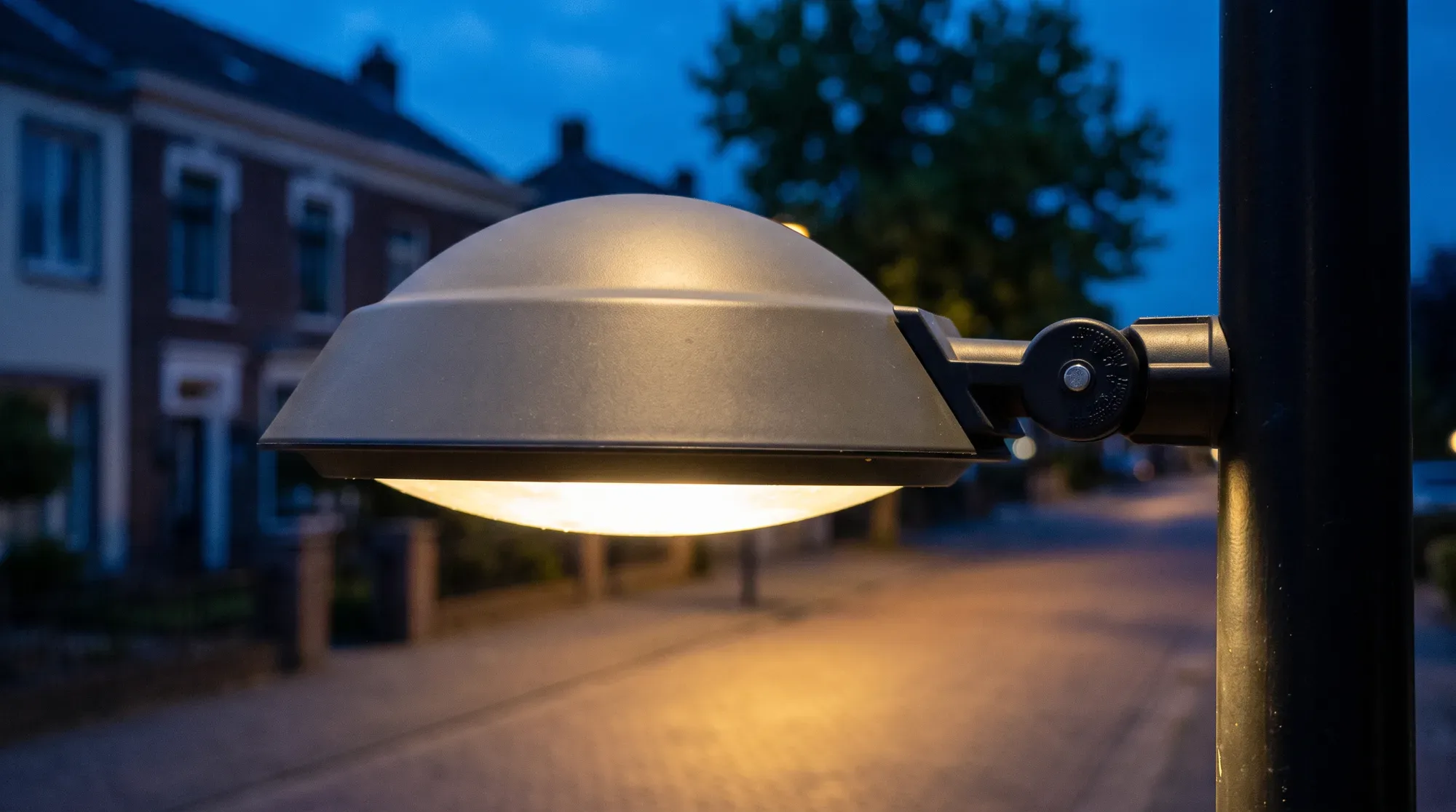
What is lit
The carriageway and the footways form one unit, but they are not used in the same way. Junctions, pedestrian crossings and thoroughfares concentrate much of what has to be resolved.
Squares, arcades and places to stop add another kind of use: light for being there, not only for passing through. Each one asks for a different relationship between the light and the person.
What the project decides
The geometry of the street, trees, façades and accesses determine where luminaires can go. Building heights matter too, along with what should stand out and what should recede.
Operating hours and coexistence with homes complete the picture. A street with terraces and a street with traffic are not resolved with the same criteria.
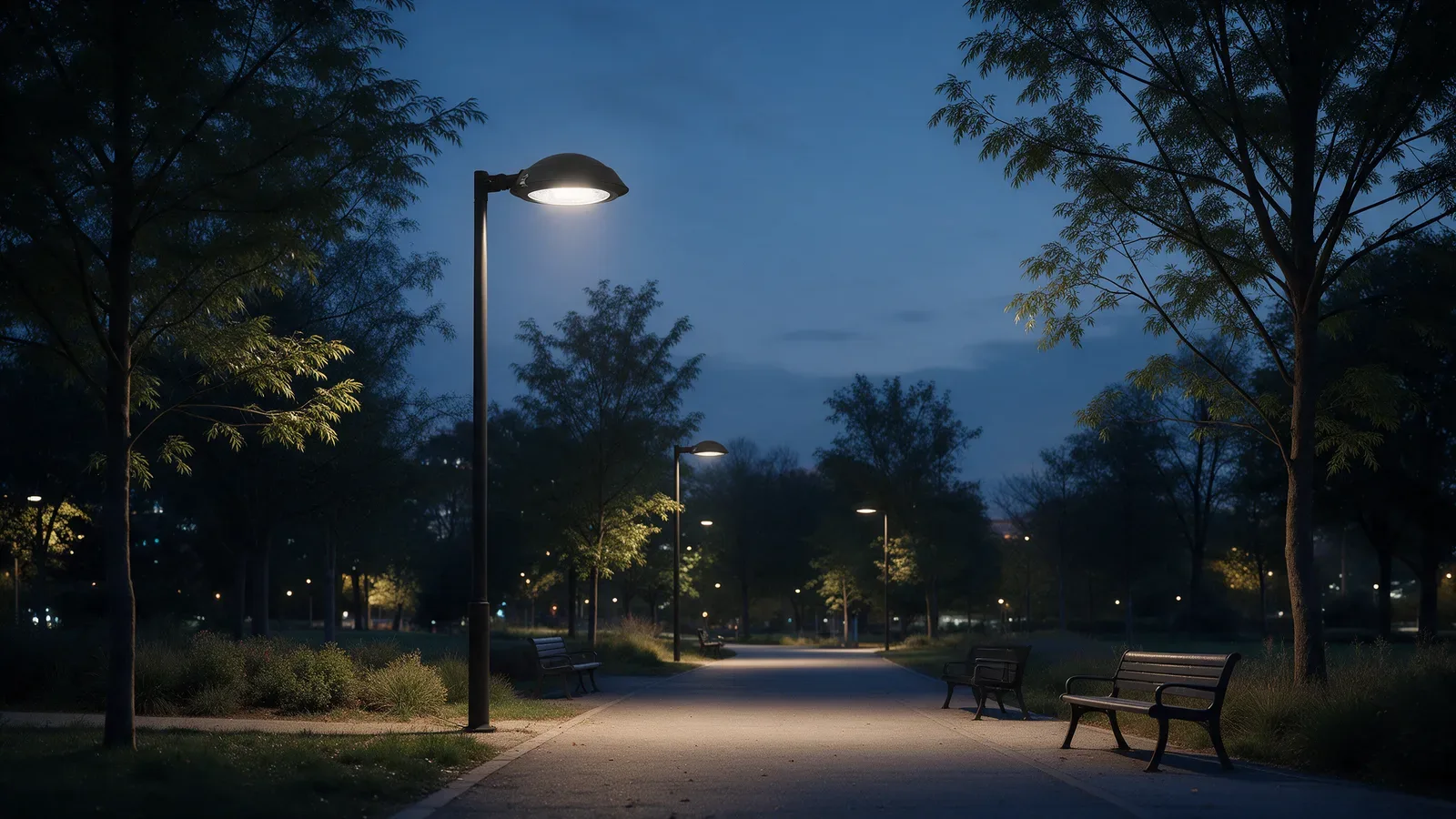
The light of a square or a footway is judged by what happens on the ground, not by what is seen from the mast.
How it is approached
The work starts from the plan of the place, its uses and routes. Points of conflict are identified before any proposal: junctions, changes of section, garage accesses or waiting areas.
Alternatives are compared on that basis and reviewed with the project team before the solution is fixed.
What to avoid
- Chasing the highest level across the whole street, mistaking uniformity for repeating the same luminaire, and planning the lighting without looking at trees or façades.
- The result is often a street that is brighter than needed and less comfortable to walk through.
Pieces for urban space.
Real Tualuce catalogue pages. The choice is defined with the project’s technical team.
Your site. Its uses. The starting point.
Local authorities, lighting consultants and developers: explore Tualuce’s solutions and project support to prepare your lighting brief.
Context, plan and uses
Gather the site context, an available plan and the uses that need to be considered.
Lighting criteria
Set out routes, surroundings, operating hours and comfort expectations to examine.
Solutions to validate
Compare possible directions and take them through the necessary project validations before deciding.
Frequently asked questions
What information should we gather to start?
A plan or sketch of the street, its uses, junctions and accesses, and the constraints of the surroundings: trees, façades, terraces or parking.
Does it apply to small streets and thoroughfares?
Yes. Scale changes the starting point, but the criterion is the same: look at the geometry, the uses and what already exists before proposing.
How are residents taken into account?
Operating hours and the relationship with homes are part of the project. The areas to be lit and the effects to avoid are defined with the project team.
Your street, in the catalogue
Discover Tualuce solutions and support to prepare the lighting for your street.
Explore Tualuce solutions